+86-25-58599930


SiO₂ hydrophilic materials are essential in modern industrial, textile, and chemical applications due to their exceptional water-attracting properties. As a leading silicone products manufacturer, Sinosil provides high-quality solutions including Hydrophilic Silicone Softener, Hydrophilic Fumed Silica, and specialized products like FS0380 that enhance water management, adhesion, and dispersibility.
SiO2 hydrophilic refers to silicon dioxide that has a high affinity for water molecules. Unlike hydrophobic SiO₂, which repels water, hydrophilic silica attracts and spreads water evenly across its surface.
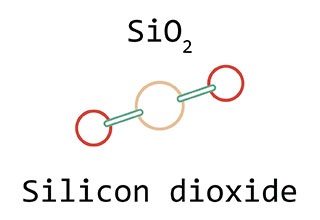
Key properties of SiO₂ hydrophilic:
High surface energy that promotes water adhesion.
Excellent dispersibility in aqueous systems.
Chemical stability and resistance to temperature changes.
Compatibility with coatings, softeners, adhesives, and polymers.
Sinosil’s Hydrophilic Fumed Silica and Hydrophilic Silicone Softener leverage these properties to improve product performance in industrial, textile, and coating applications.
| Feature | SiO₂ Hydrophilic | SiO₂ Hydrophobic |
|---|---|---|
| Water interaction | Attracts and spreads water | Repels water, beads form |
| Surface treatment | Hydroxylated or untreated | Surface-modified with silanes or silicone |
| Applications | Coatings, adhesives, dispersions | Water-repellent coatings, anti-stick surfaces |
| Surface energy | High | Low |
Hydrophilic SiO2 enhances wetting, dispersibility, and adhesion, whereas hydrophobic SiO₂ is ideal for water-repellent surfaces and moisture protection.
Textiles – Hydrophilic silicone softeners improve fabric softness and moisture absorption.
Coatings and Paints – Ensures uniform dispersion of pigments and prevents cracking.
Polymers and Composites – Enhances mechanical performance and uniformity.
Adhesives and Sealants – Improves water uptake and bonding properties.
Industrial Processes – Acts as a dispersant in aqueous formulations and stabilizes suspensions.
Cosmetics and Pharmaceuticals – Controls moisture interaction, texture, and product stability.
Sinosil’s FS0380 and other hydrophilic products are particularly effective in processes where uniform water management is critical.
High Surface Area: Maximizes water interactions.
Porosity: Allows controlled water absorption and release.
Thermal Stability: Functions effectively under high-temperature conditions.
Non-Toxic and Chemically Stable: Safe for industrial, cosmetic, and food applications.
Excellent Compatibility: Works seamlessly with silicone softeners, coatings, and adhesives.
These features make SiO₂ hydrophilic ideal for enhancing performance in diverse applications.
Hydrophilic silica is incorporated based on the specific requirements of the application:
Coatings and Paints: Improves pigment dispersion and wetting.
Textile Softeners: Hydrophilic silicone softeners enhance fabric absorbency and feel.
Polymers: Acts as a filler to control moisture interaction and improve uniformity.
Adhesives and Sealants: Enhances water-mediated adhesion for stronger bonding.
Industrial Formulations: Used in aqueous dispersions for stability and controlled hydration.
1. What materials are hydrophilic?
Materials such as glass, untreated silica, cellulose, and certain polymers naturally attract water and are considered hydrophilic.
2. Why is SiO₂ hydrophilic?
SiO₂ hydrophilic contains hydroxyl groups on its surface and exhibits high surface energy, which draws water molecules to spread evenly across the surface.
3. How to identify hydrophilic or hydrophobic materials?
Hydrophilic materials allow water to spread evenly, forming thin layers.
Hydrophobic materials cause water to bead up, forming droplets with high contact angles.
A simple water droplet test can quickly determine the surface type.
SiO₂ hydrophilic is a versatile, high-performance material that enhances water management, adhesion, and dispersion across multiple industries. Compared to hydrophobic silica, it attracts water and improves wetting, uniformity, and performance.
Products such as Hydrophilic Silicone Softener, Hydrophilic Fumed Silica, and FS0380 from Sinosil provide reliable, high-quality solutions for coatings, textiles, adhesives, and industrial processes.
By incorporating SiO₂ hydrophilic, manufacturers and engineers can ensure improved performance, durability, and efficiency, making it a key material in advanced water management solutions.


 English
 日本語
日本語 한국어
한국어 français
 Deutsch
 Español
 italiano
 русский
 português
 العربية
 tiếng việt